
Current State of Lubricant Market
April 27, 2026
From Crude to Customer: Understanding Today’s Supply & Pricing Pressures
The Big Picture Today
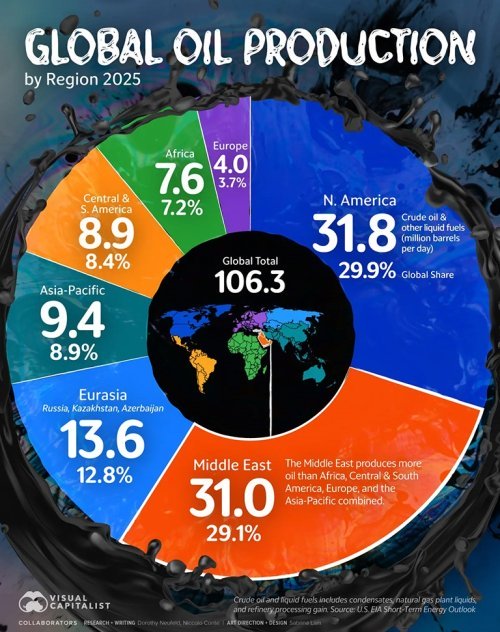
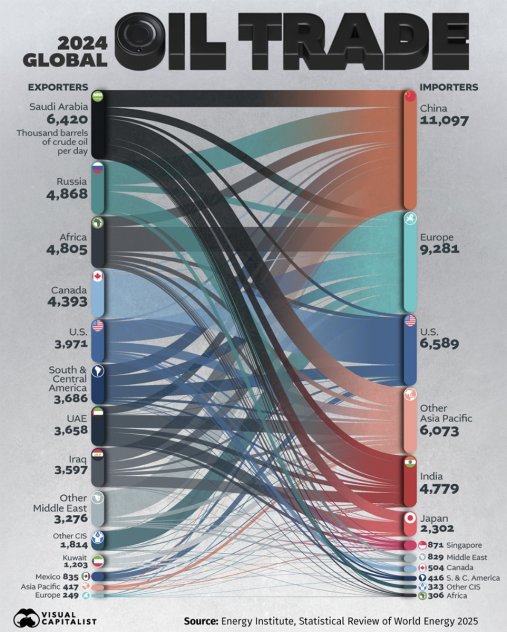
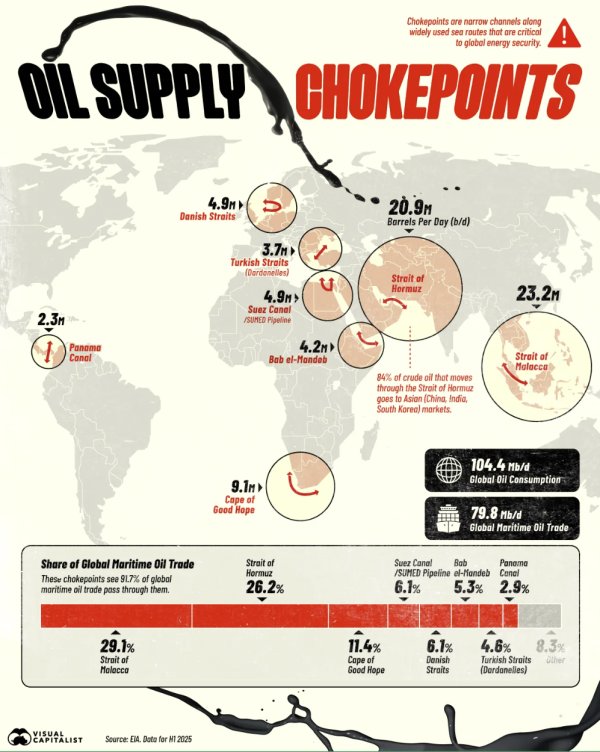
Since February, the conflict between the U.S., Israel, and Iran escalated sharply. Iran responded by closing the Strait of Hormuz, a major shipping route that carries about 20% of the world’s global seaborne oil trade. Since then, missile and drone attacks have damaged key energy facilities across the Gulf region. Several petrochemical plants in the region have also reduced operating rates or declared force majeure due to damage, feedstock shortages, shipping delays, and safety concerns.
Unfortunately, the short ceasefire in early April failed, and shipping through the Strait of Hormuz has nearly stopped. This has disrupted not only crude oil and fuel movement, but also the production and export of important chemical feedstocks used in glycols, solvents, coolants, and industrial lubricants.
What’s Driving Higher Lubricant, Fuel & Chemical Costs?
Base Oils Connection to Crude Oils
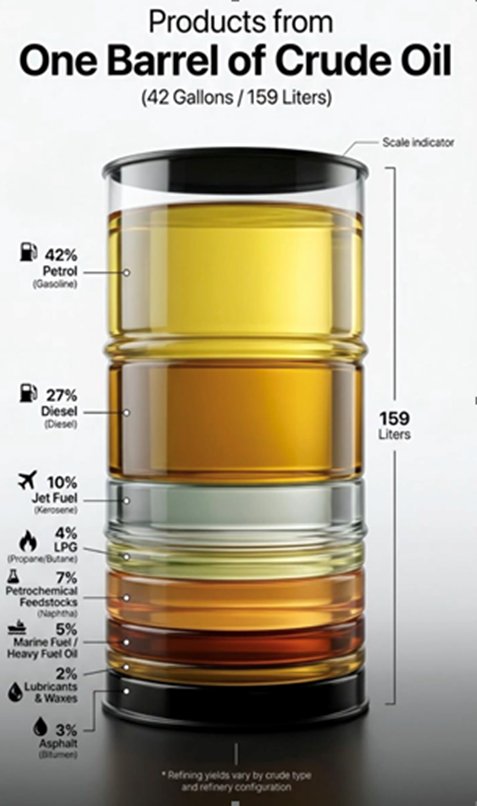
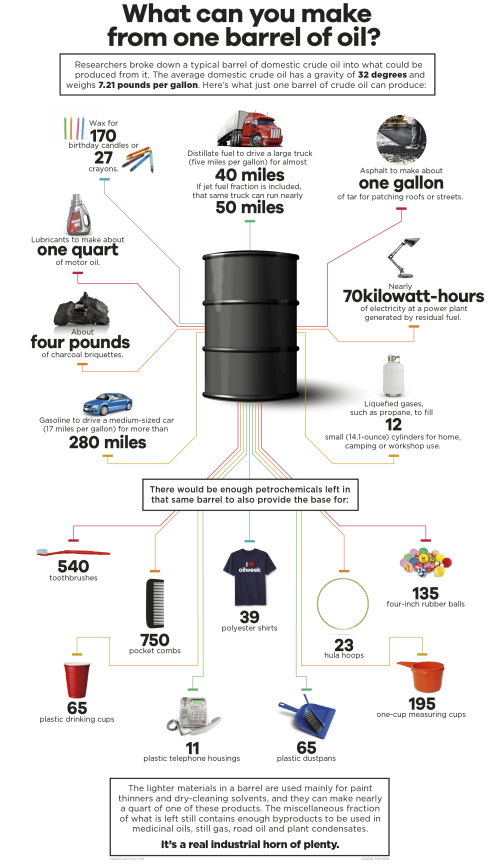
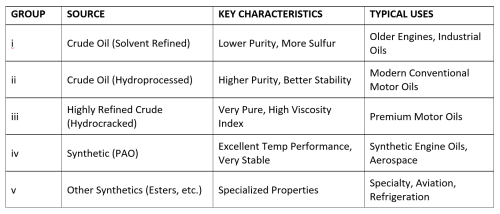
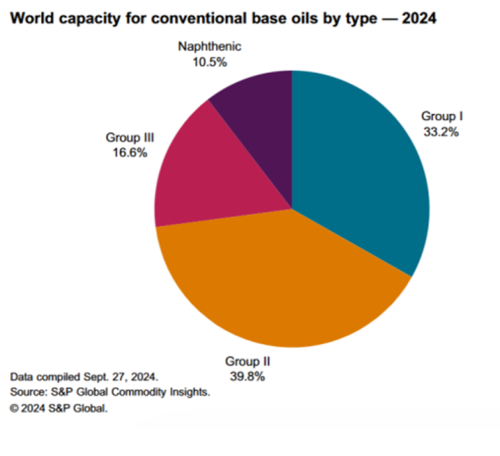
- Lubricants are manufactured from base oils, a refined petroleum product that has grades ranging from Group I through V. Group II and IV are most commonly refined in the USA. Group III Base Oils are primarily produced in the Middle East
- Crude oil trades with West Texas Intermediate (WTI) and Brent Crude trade on futures exchanges and move with every headline
- Although base oils are made from crude, they are sold through supply contracts based on refinery economics & product availability, making their prices different
Major Supply Disruptions & Damaged Infrastructure
- Key petrochemical production facilities are damaged or under force majeure
- ~35–40% of U.S. premium base oil (Type III) imports from the Middle East are offline or restricted
- The largest global source of base III oils, Qatar GTL, sustained damage and is expected to be down for an extended period of time

Blocked Shipping Routes
- The Strait of Hormuz remains heavily restricted
- Tanker traffic is severely reduced or completely stopped
- Shipping costs, insurance, and delays have all increased
Refinery Economics & Diesel
- Undamaged refineries are still producing less base oil
- Higher diesel profits are pushing refineries to favor diesel production.
- This further tightens base oil supply on top of Gulf disruptions.
Global Ripple Effects
- Key alternative suppliers to the USA (India & South Korea) depend on Middle East crude
- Reduced feedstock = reduced base oil output globally
- This supply pressure affects what distributors pay for base oil
The Impact on Chemicals
- Similar to base oils, chemicals follow a complex supply chain, impacting the products that are sold for industrial & oil and gas production in the USA
- Iran is the world’s 2nd largest producer of Methanol & the conflict has stopped exports
- The Middle East is a major global MEG/PG supplier/exporter, so conflict, shipping disruption, or reduced availability
- Coolants, Heat Transfer Fluids & TEG are made using EG and PG, impacting the price of finished products
- Further impact of supply is observed in other raw materials, such as reduced supply of ammonia, benzene, and other chemicals, causing impacts on amine, additives, and other chemical products.
Why Lubricant, Fuel, & Chemical Prices Won’t Immediately Fall with Headlines?
Crude markets react instantly to news. Physical supply chains do not. Crude oil prices may move quickly after major news, but supply depends on real production, transportation, and inventory. That recovery takes time.
A ceasefire or diplomatic update does not:
- Reopen shipping lanes
- Repair damaged production facilities
- Lower freight or insurance costs
- Restore base oil supply
- Turn around tankers that have already been delayed or rerouted
What Hampel Oil Is Doing to Support & Protect You
Reliable Supply
We maintain multiple sourcing relationships across suppliers and diverse product lines to ensure continuity—even in constrained markets. This allows us to provide you options and help keep your operations running
Transparent Pricing
All price adjustments are tied directly to documented supplier increases. We do not speculate or add margin beyond cost changes to minimize the effect to you.
Long-Term Partnership
With over 50 years of experience, Hampel Oil has navigated market disruptions for decades. Our focus remains simple: protect your supply, communicate clearly, and support your business. We’re committed to helping you navigate this environment with stability, transparency, and dependable service.
SHARE THIS